
Why Warmako moved
Warmako ran both a .com and a .de store on Lightspeed. While both stores had their own value, managing multiple environments brought extra work and complexity. On top of that, there was a desire to switch to Shopify Plus: a platform that better matches the company’s international ambitions and scalability. Preserving the existing look and recognisable brand identity was central, so customers wouldn’t notice any difference during the switch.
Warmako ran separate .com and .de stores on Lightspeed. Managing both environments added complexity, while the company wanted Shopify Plus to support international ambitions and scale.
- 01Merge two Lightspeed stores into one central Shopify Plus environment
- 0245,000 items in the published migration scope
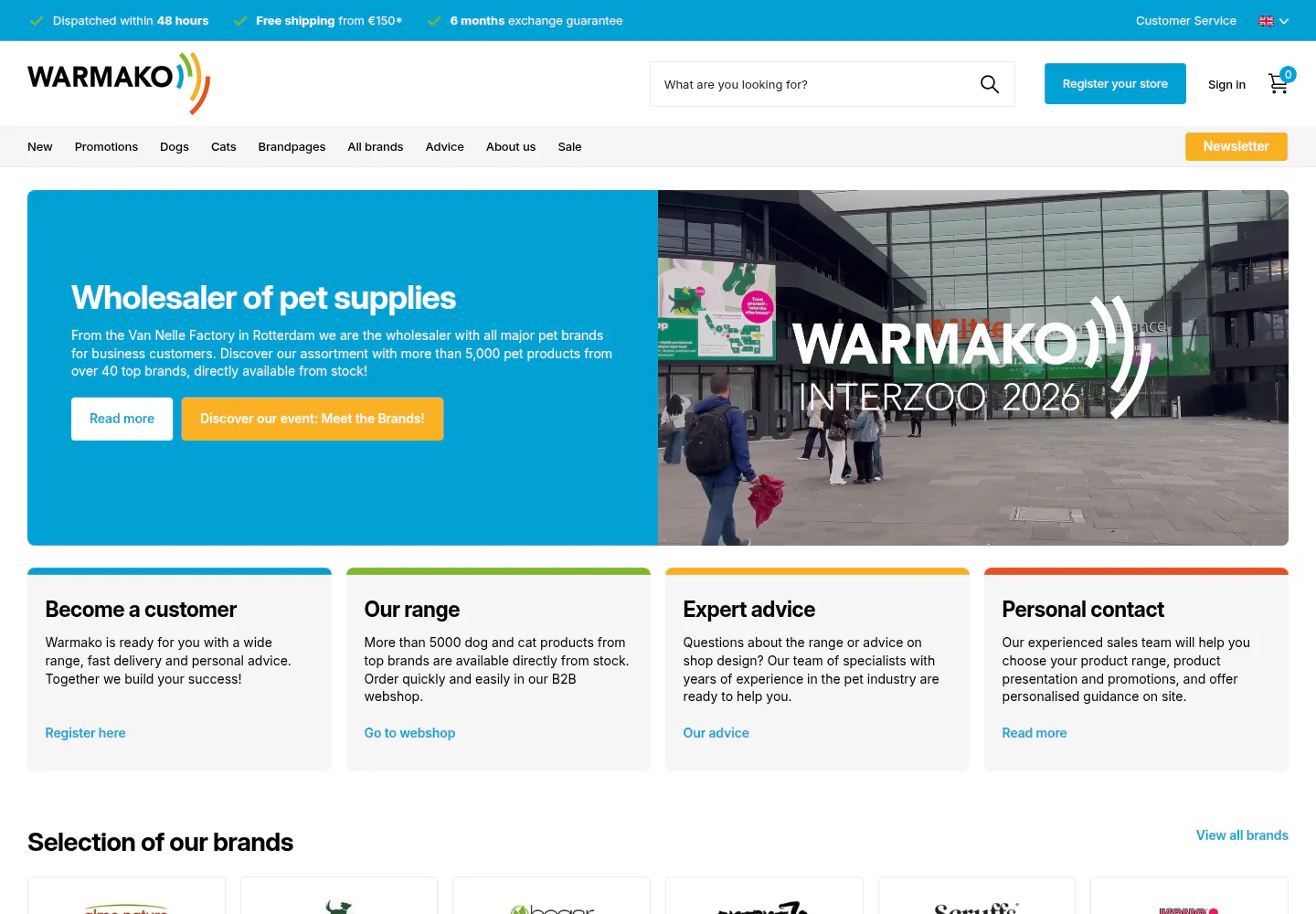
- 03Preserve the recognisable design for customers in both markets
- 04Warmako kept control of the Shopify back office and integrations
The solution
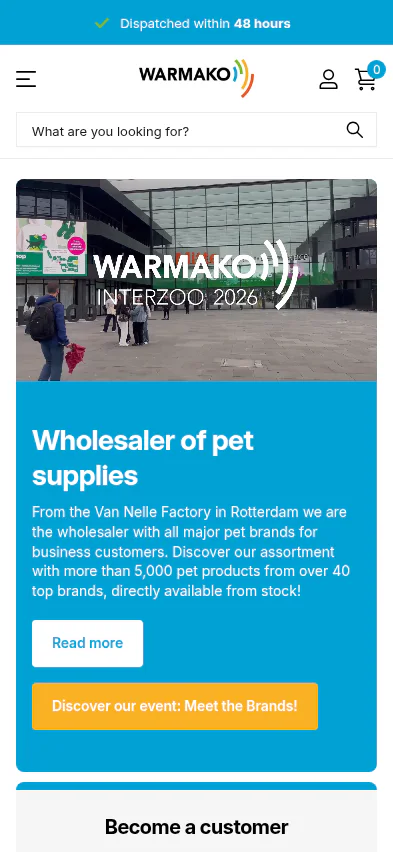
Syncer guided Warmako through a Store Merge migration to Shopify Plus, merging the two separate Lightspeed stores into a single central environment. To safeguard brand recognition and consistency, the Syncer Store Clone service was used. With that, the existing Lightspeed design was rebuilt in detail in Shopify, so the new environment feels familiar for all customers.
During this process Syncer took on the full technical migration. Products, customers and orders were carefully migrated and brought together in the new Shopify Plus environment. Warmako chose to handle the Shopify back office setup and required integrations themselves, keeping maximum control over operational processes and bespoke requirements.
The result
The switch to Shopify Plus gave Warmako a modern and scalable foundation to build further growth on. By merging the two separate stores into one environment, management has become clearer and more efficient. Thanks to the Store Clone service the familiar design was preserved, making the transition completely seamless for customers.
With this migration, Warmako now combines the power of Shopify Plus with a strong, consistent brand experience. That offers not only more ease of use for the internal team, but also a stable foundation for international expansion in the years ahead.
How the migration ran
A Store Merge migration brought two source stores together while the design stayed familiar.
Discovery
The source data and store structure were mapped before the move.
Data migration
Products, customer data and historical orders were transferred into Shopify, with the published scope checked before go live.
Storebuild
The new Shopify store was prepared around the existing brand and the operating needs described in the case.
Go live
The store moved to Shopify on the published go live date, with the migrated data available in the new environment.
Services used
Store Merge migration
The .com and .de Lightspeed stores were merged into one central Shopify Plus environment.
Syncer Store Clone service
The existing Lightspeed design was rebuilt in Shopify so the new environment stayed familiar to customers.